Is the Age of Rom-Com Dead and Gone?
‘Drama, drama, drama…’ where has the charm of old romantic movies gone?

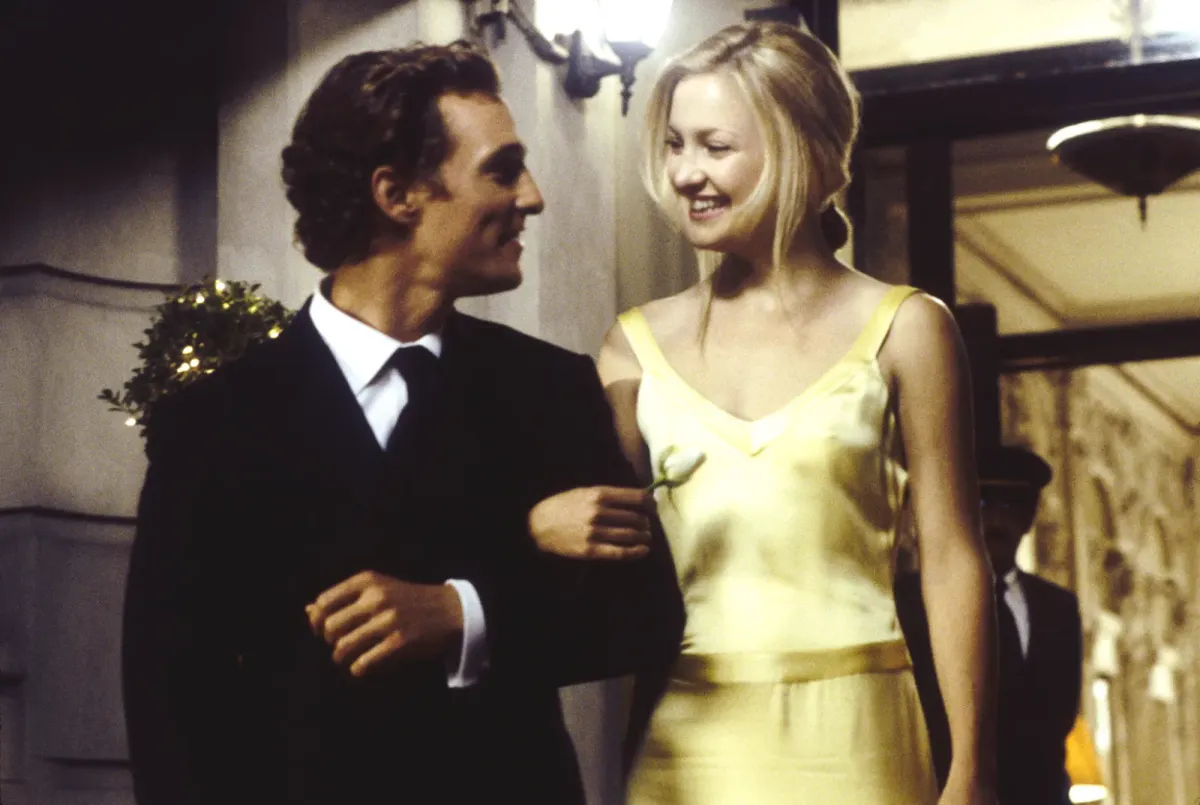
Romantic Comedies or 'Rom-Coms', once had a death grip on the movie industry. While they were centred around the romantic tension between the two main characters, the messy and awkward comedic nature of the genre made them more relatable and human, often actually giving the films their much-loved charm. But, as is the case with most fashionable things, they keep coming in and out of style, and romantic comedies are no exception to this rule. The genre has had its dormant periods both back in the mid-40s and 70s and most recently in the latter half of the 2010s and early 2020s.
A lot of things can be attributed to its most recent downfall, most notably the mass production of films for a quick cash grab, due to its popularity, entertainment companies oversaturated the market with lazily directed and written rom coms, that often tried to combat the lack actual comedy of in the film by trying to be ‘edgy’. What makes rom com different from a normal romance film, is that it manages to integrate the comedy aspect throughout the film, ‘When Harry met Sally’ illustrates this beautifully, the comedy is tied to the difference in personalities of both leads and the rather human misunderstanding that creates. Unfortunately, recent movies in the genre give little thought to the comedy part and rarely fit into the definition of a romantic comedy, and seem to squarely fall into the category of a romantic movie or a slice of life film, because the overarching plot of the film focuses on other things besides the romance, while not necessarily a bad thing, it dilutes the tension and magic of it all.
Analysing the difference between newer films and older ones, it becomes notable that the human aspect from the film is somewhat absent, making the personality of the leads feel flimsy, as Lee puts it “interesting romantic comedies need characters that are full, when-you-think-about-it weirdos to work their magic”, this is even more pronounced when we look into the importance that the side characters and silence played in these films. Side characters aided the romance and character development of the leads, while silence allowed room for intrigue, awkwardness and, most importantly, humour.
Moreover, in films of yore it was obvious that the side characters were living their own lives. They were instrumental to the plot, yet their charm came from having an autonomy and a life beyond the leads. The depth of these characters gave us some of the most iconic performances such as Kathryn Hahn’s role in ‘How to lose a guy in 10 days’, and Betty White in ‘The proposal’ comparatively movies like ‘Anyone but you’ and ‘People we meet on vacation’ treat the side characters as merely ornamental. This becomes even more problematic when you realise the in both these movies the side characters were queer, who would have thought that we would still be using ‘token gays’ in this day and age?
The early 2020s came with a lot of hope, with publications such as Rotten Tomatoes going as far as to say that the demise of the modern rom com was “greatly exaggerated.” But when the reviews started pouring in, much anticipated films of the genre were branded “dull” and “charmless.” The genre today feels like a caricature of what it once was. Yes, there is romance and a few bits of comedy, but the “will they, won’t they” tension leaves a lot to be desired, which makes recent releases feel like safe bets because you know exactly what to expect. As Horton puts it, “you can have all the right ingredients for a romcom, but movie magic has never been a science.” Most traditional rom coms being released today have all the components in place, from the meet cute to the big dramatic fight and the eventual confession, yet they still fall flat.
Some recent releases have been well received by both audiences and critics, especially non-traditional rom coms such as “Red, White & Royal Blue,” “Crazy Rich Asians,” “The Invite” and, most recently, “Wicker.” Their success suggests that expanding the genre and catering to a wider range of audiences has a positive impact. These films indicate that the genre does not exist in a vacuum. They are shaped by industry constraints, the current socio-economic context and the wider political climate, and audiences carry those same realities with them when they sit down to watch. Responding to these factors makes it important to change or tweak the formula so that the stories on screen feel relevant to the people watching them. It also means pushing back against the urge to dumb films down for an audience that is half watching on another screen, since that approach tends to flatten the qualities that make a story memorable. If there is one thing to learn from the older films, it is that well-timed silence can is important and is a side character in its own right. Silence gives a scene room to breathe and trusts the audience to feel the tension for themselves, which is exactly what the “will they, won’t they” dynamic depends on.
So, is the age of the rom-com dead and gone? Based on the evidence, it seems more accurate to say the genre is struggling rather than finished. Years of rushed cash grabs, weak comedy, thin leads and ornamental side characters have left many recent releases feeling like a caricature of the films that made audiences fall in love with the genre. Yet the success of films that stretch its boundaries suggests that audiences still want what rom-coms do best. What the genre needs is not a complete reinvention but a return to the fundamentals of full characters, side characters with lives of their own, comedy that grows out of personality, and the confidence to let a well-timed silence do the work. If studios are willing to trust their audiences again, the rom-com may yet have its comeback.