Should Durham modernise its design?
Architectural design is often a reflection of its time - so would modernising Durham harm its historic charm?

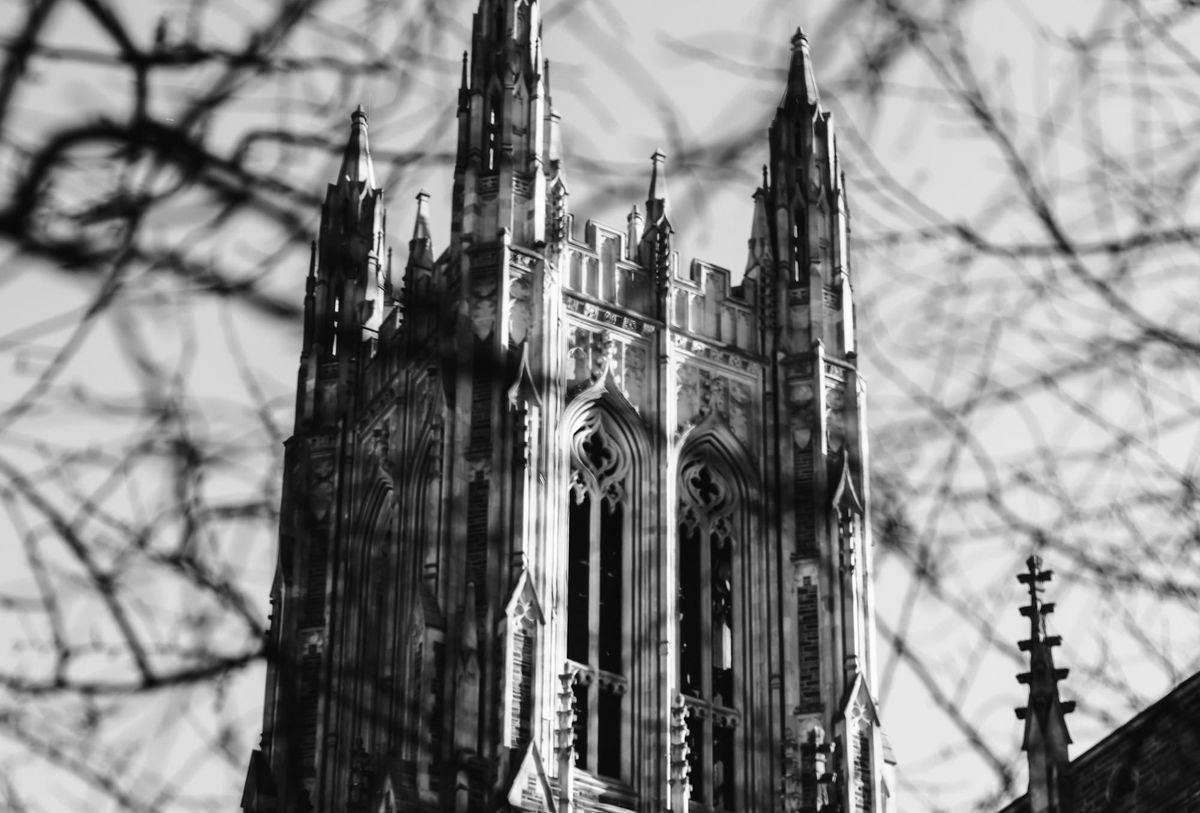
Architectural design is often a reflection of its time - so would modernising Durham harm its historic charm?
The Castle, the Cathedral and the Bailey colleges. The staples of Durham’s allure, the built environment that shapes the core of the student experience. If the university’s dark academic essence is an element of what makes it so special, would appealing to historical design be an act of authenticity; an honour to heritage; or more cynically, a clever marketing tactic to attract students? Or perhaps, would sticking to the old vibe feel outdated, and even be a disservice to Durham’s rapidly changing culture?
When it comes to the function and aesthetics of space, designers seem to handle a delicate task for the inevitable expansion of the university. Historical preservation is commonly the deed of protecting and maintaining already existing buildings that hold cultural, historical or architectural significance. Durham, home of a UNESCO World Heritage Site since 1986, is set to preserve and improve sites of interest including, but not limited to, the famous Cathedral and Castle - structures that many Durham students come to know and love. The Cathedral, for instance, may arguably be the most indelible and significant building for the student community, as it is used for matriculation and congregation ceremonies. For generations, it has literally been the first and last building you step into as an official pupil at the university - making historical preservation evidently crucial in establishing and nurturing communities. Besides the student perspective, however, protecting and enhancing said buildings can attract tourists, consequently benefiting the local economy and population, making the case for modernisation a plausibly dubious one.
Historical preservation in architectural design goes beyond protecting already existing buildings. Considering Durham University’s expansion plans, understanding the implications of maintaining Durham’s historical identity is critical. Interestingly, this issue highlights a fundamental debate in the integrity and aesthetics of architecture: authenticity. A subtle yet important feature of authenticity is the degree of appropriateness in relation to its surroundings. Is the new structure appropriate to its culture and geography? Would a modern, contemporary building feel harmonious or out-of-place in a location like Durham? Some may argue that imitating cultural and historical motifs would make everything feel more harmonious.
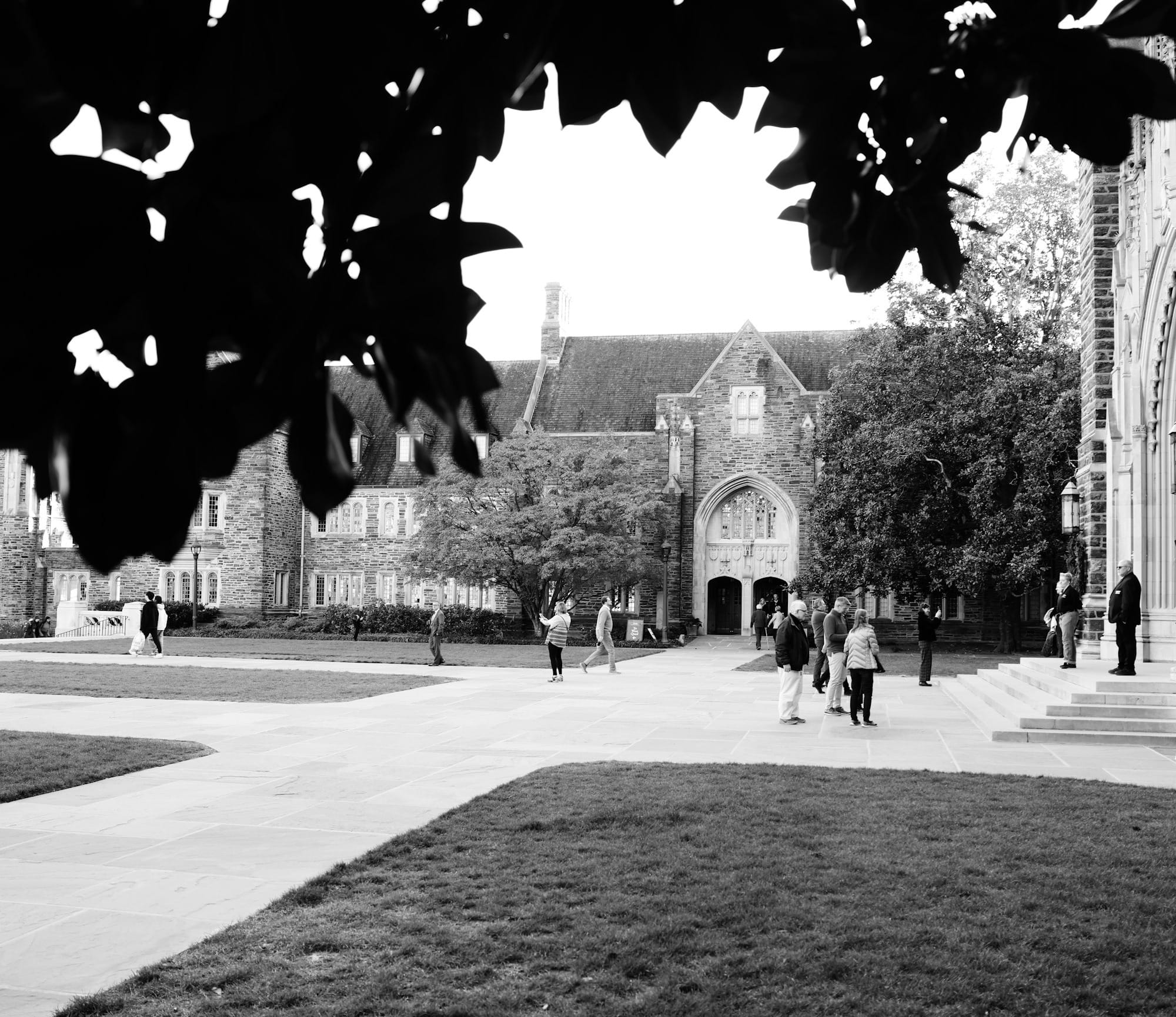
However, some may claim that historical imitation is merely artificial, a sort of fabricated anemoia. Nevertheless, one could contend that implementing the historical and cultural identity of Durham into new projects may be more respectful to the city’s heritage. But under this reasoning, modernisation would be the tangible contradiction to the true, authentic Durham; that any further developments should stray away from the facades of the Bill Bryson Library, the Teaching Learning Centre, among others. In this case, designers must consider another factor of authenticity: how the building expresses the present and the future, not just the past.
Contrary to common belief, modernisation can indeed be an act of authenticity. This is because architecture is often a reflection of the status quo, a mirror of what people need and value today. Additionally, the artistic intention behind a structure can even communicate society’s aspirations and visions for the future. So, if a potential new building at Durham expresses academic progress, innovation, and fits the current needs of students - wouldn’t that also be authentic to its community and culture? Would then upholding historical motifs, or sticking to the old aesthetics, be a disservice to the university that exists today and its prospects?
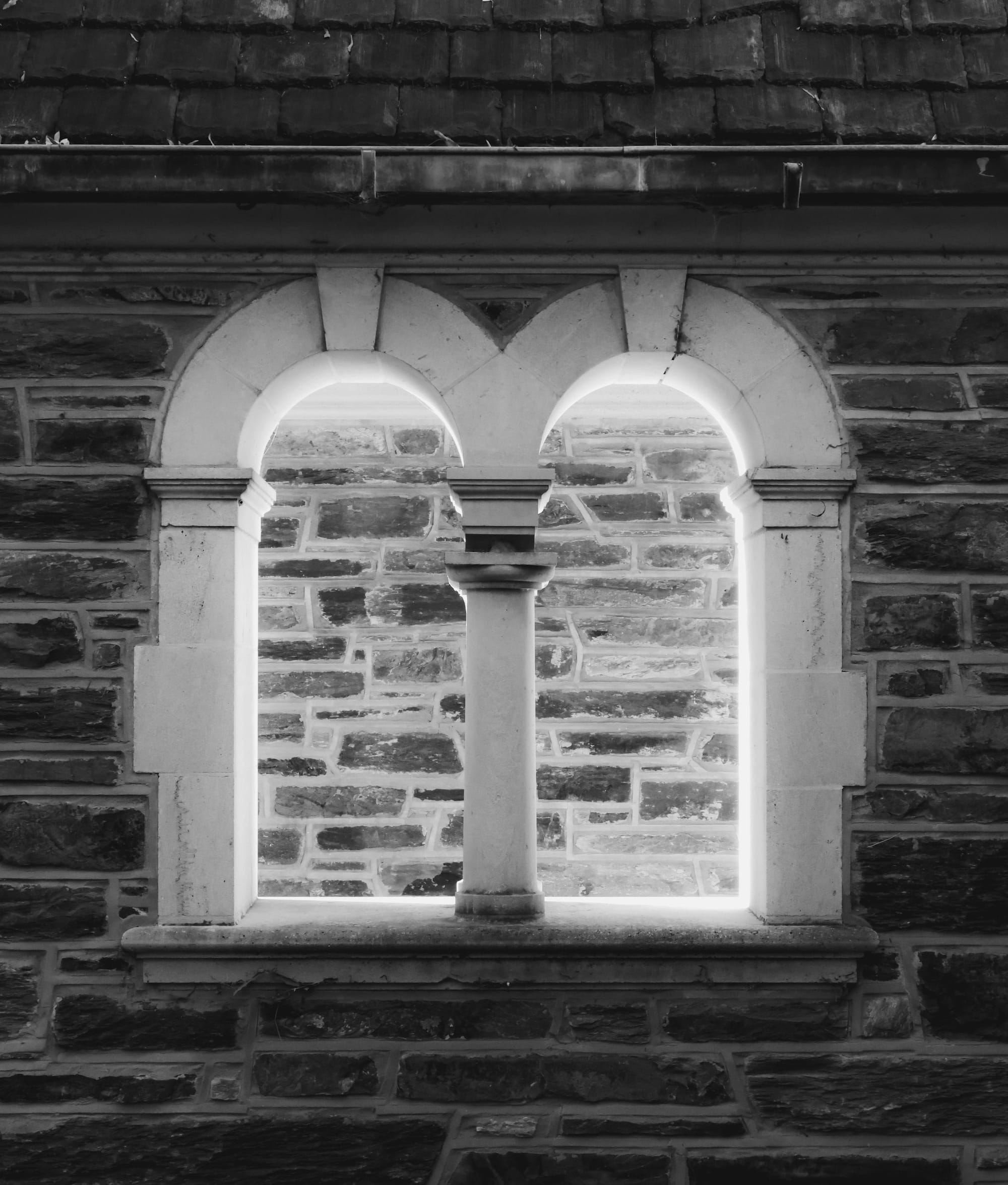
While this is a valid point to consider, designers must bear in mind the consensus held against modernisation. Particularly, some may believe that modern architecture can feel lifeless and stale because it often values functionality and cost optimisation over meaningful storytelling. For instance, you definitely do not see wooden pineapples incorporated on staircase railings of the Castle, and why it's so significant, in a place like the Waterside Building (not diminishing the effort behind this edifice). But on the other hand, if the university, for instance, plans on creating more student accommodation, then to what degree would prioritising budgeting be considered “lifeless,” especially when Durham faces a student housing crisis? Arguably, a blend of historical and modern architecture could make a place less bland by creating visual contrast.
Indeed, maintaining Durham’s historic charm and modernising it has its nuances. Perhaps, designers must find a balance between the old and the new; projects that reflect the present and future while not appearing soulless; still encapsulating the Durham we know and love. The aim of this article is not to provide a discernible answer - but force us to carefully reflect if older and newer buildings around us complement each other and its context.
Thank you for reading Castle & Cloister. To stay up-to-date, you can subscribe for free and follow our pages on Instagram and LinkedIn.