The Language of South Asian Accessories
Mahira Gangwani explores how South Asian adornments like bangles, bindis, and jhumkas are evolving from tradition-bound symbols into everyday expressions of identity.

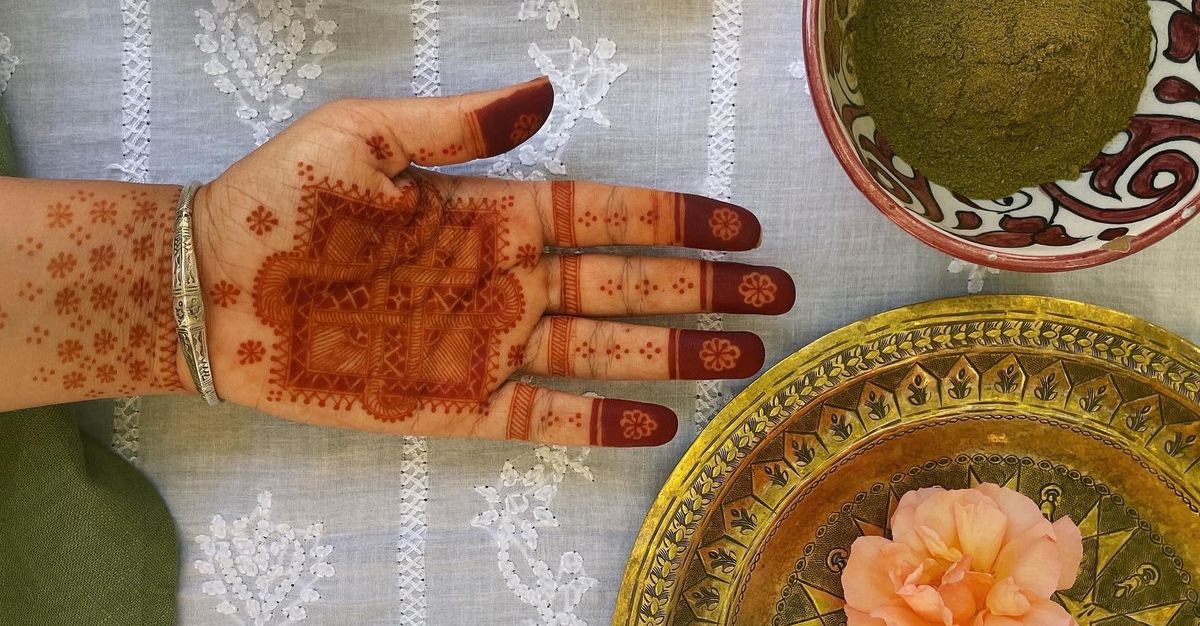
A stack of bangles, a small bindi, a pair of jhumkas, and intricate henna patterns drawn across someone’s hand. At first glance, they may just seem like different fashion choices, but for many South Asians, they carry stories that go far beyond mere appearances.
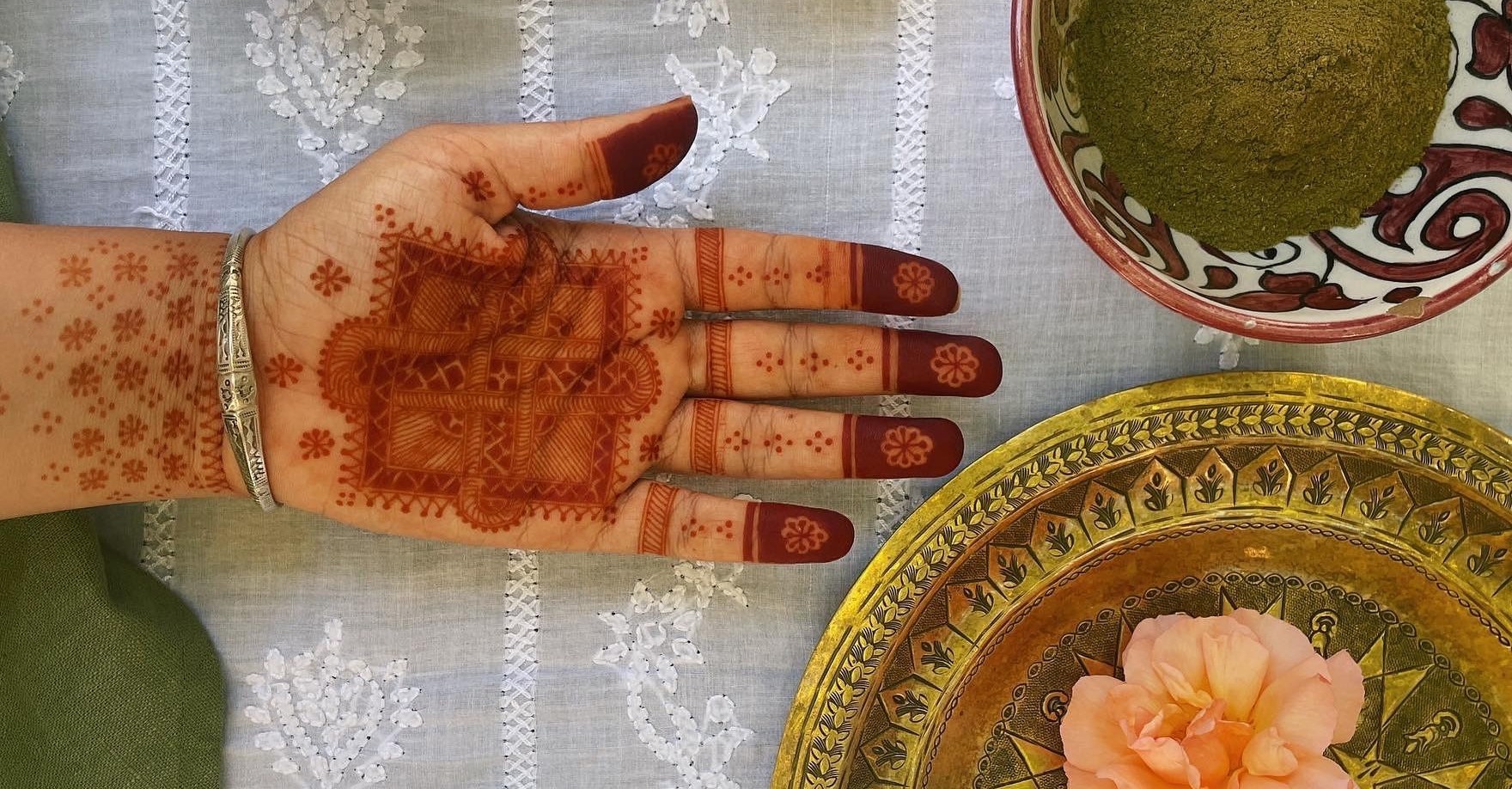
There’s a specific kind of fluency that my Mother has that I didn’t understand until recently. She can walk into a room with a single gold bangle around her wrist and a small bindi on her forehead, and everyone in that room reads it correctly: just errand-running on a Tuesday, nothing special. But swap that one bangle for a stack of eleven, add jhumkas heavy enough to tug at her earlobes, and the same room reads something entirely different: wedding season, diwali, a day of celebration.
She was never taught this as a system. She just absorbed it, the same way you absorb your mother tongue. And that’s the thing I keep coming back to when I think about jhumkas, bangles, bindis, and henna: they aren’t accessories in the Western sense of “extra”, they are closer to a grammar. They are a set of rules that tell you who someone is, where they are going, and what the occasion demands, all without a word being spoken.
What’s changed for my generation isn’t the grammar itself, it is that we’re choosing to speak it.
For our South Asian parents and grandparents, wearing these accessories was less of a choice and more an obligation. You wore what your community expected, when it expected it. For us, especially those raised in the diaspora, it’s become deliberate. I know people who wear jhumkas to lectures on a random Wednesday, not because there is an occasion, but because it feels like an act of self-expression. A bindi with a hoodie and sweatpants. Henna done for a friend’s birthday, just because.
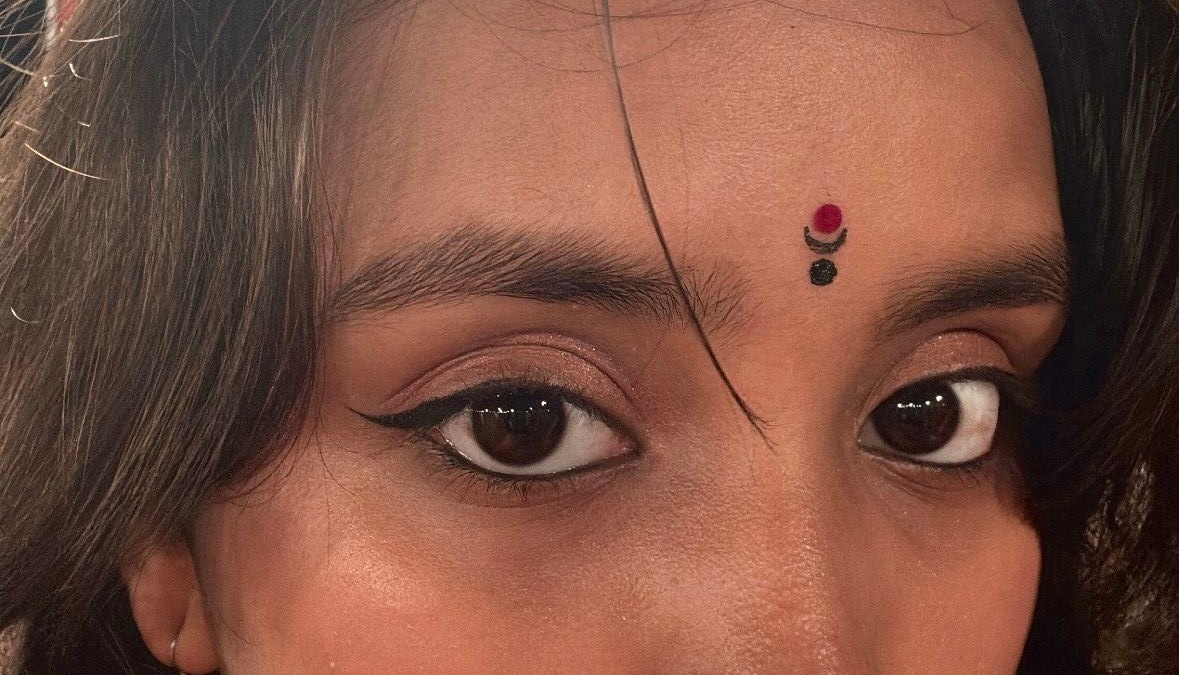
This is what I would call opt-in identity. It’s not that the meaning has disappeared, a bindi at a puja still carries something a bindi at a brunch doesn’t. But the frequency and context of wearing it has expanded. These items have become less about signalling occasion and more about signalling self. You’re not dressed up for a function, you’re saying something about who you are, who you represent, your culture, regardless of what’s on the calendar.
That is a real shift, and I don’t think it’s a small one. It means a teenage girl in Durham wearing chunky jhumkas to class is doing something her grandmother, in India, wearing the same jhumkas to a wedding, was never quite doing- because her grandmother didn’t have to decide to wear them. My generation does, and that is the point.
I think the mistake people make, both inside and outside desi communities, is assuming these items have one meaning that either gets honored or violated. But a bindi isn’t fixed. It moves between sacred and ordinary, spiritual and decorative, sometimes in the same afternoon. This fluidity isn’t a loss of meaning, it is the meaning. The item’s significance always depended on who’s wearing it, why and in what body it’s living that day.
Which is where the appropriation conversation gets more interesting. The issue was never really that jhumkas were worn by non-South Asians. It is what happens when these items get lifted out of the whole system of context and flattened into a single, static aesthetic: “boho” or “festival,” a costume-store rack stripped of the fluency that gives it meaning in the first place. When a brand sells a dupatta under the name “Scandinavian scarf” with zero acknowledgement of where it comes from. That’s not cultural exchange, that is extraction without the grammar attached.
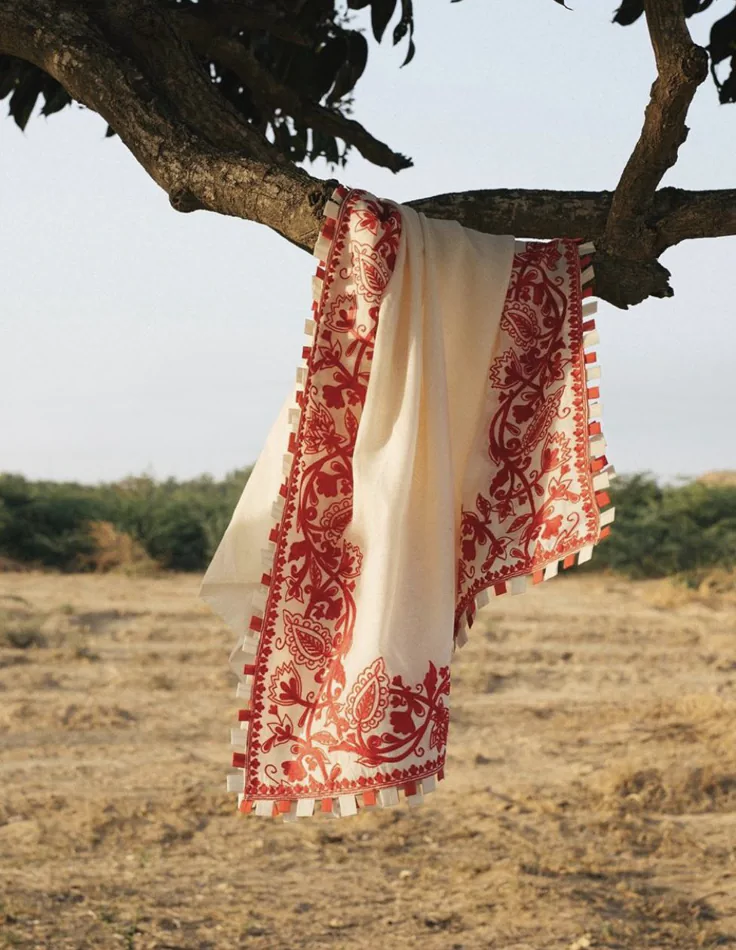
Appreciation, in contrast, tends to involve some curiosity of the grammar. It includes an interest in why, not just what. It’s the difference between borrowing a sentence and actually trying to learn the language.
This generation is treating these South Asian treasures as a language we get to choose when to speak, in public, on our own terms. My mother’s fluency was inherited. Mine is closer to a decision I make everyday, and I think this decision is quietly becoming its own kind of tradition.
Thank you for reading Castle & Cloister. To stay up-to-date, you can subscribe for free and follow our pages on Instagram and LinkedIn.